Lab Members

Meet the Human Agility Lab team members. We welcome requests for information about our work and collaboration opportunities. 

To see how we spend our time in and out of the lab, view our photo gallery.


Laboratory Director
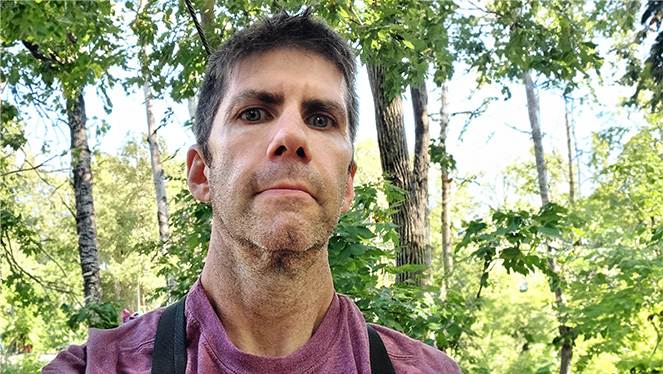
Keith Gordon, PhD

Keith Gordon, PhD

Director, Human Agility Laboratory
Associate Professor

keith-gordon( at )northwestern.edu

PhD Kinesiology, University of Michigan
MA Exercise Science, San Diego State University
BS Exercise Science, University of California at Davis

View Gordon's Faculty Profile

Gordon's Biography

Keith Gordon, PhD, is the director of the Human Agility Laboratory. He is an associate professor in the Department of Physical Therapy and Human Movement Sciences at Northwestern University and a research scientist at Edward Hines Jr. VA Hospital.

Gordon completed postdoctoral training at the Rehabilitation Institute of Chicago and Northwestern University Feinberg School of Medicine. He earned a PhD in Kinesiology from the University of Michigan, a master’s degree in Exercise and Nutritional Sciences from San Diego State University and a bachelor’s degree in Exercise Science from UC Davis.

His research focuses on understanding the principles governing neuromechanical control of human locomotion and applying this knowledge to promote walking recovery following neurological injury. His laboratory employs an interdisciplinary experimental approach, using robotic tools to examine whole-body human movement from biomechanical and motor-control perspectives. 

PTHMS Faculty

Elanna Arhos, PT, DPT, PhD

Elanna Arhos, PT, DPT, PhD

Assistant Professor

elanna.arhos( at )northwestern.edu

PhD Biomechanics and Movement Sciences, University of Delaware
DPT, Saint Louis University
BS Exercise Science, Saint Louis University

View Arhos's Faculty Profile

Arhos's Biography

Elanna Arhos, PhD, is an assistant professor at Northwestern University. She completed her PhD at the University of Delaware in 2022, where she studied clinical and biomechanical recovery of individuals after ACL rupture, and her postdoctoral fellowship in 2024 at The Ohio State University, where she gained experience in pragmatic clinical trials.

Her research interests include understanding the mechanisms leading to long-term disability, such as post-traumatic osteoarthritis, after joint injury and developing clinically feasible post-surgical rehabilitation interventions.

 Alison Chang, PT, DPT, PhD

Alison Chang, PT, DPT, PhD

Professor

hsini( at )northwestern.edu

PhD, Aalborg University
DPT, MGH Institute of Health Professions
MS, Northwestern University

View Chang's Faculty Profile

Chang's Biography

Alison Chang, PhD, studies the interplay among pain, gait neuromechanics, physical activity patterns and disease progression in adults with chronic knee symptoms. This knowledge informs the development and evaluation of innovative movement interventions that enhance walking quality and quantity, ultimately reducing pain and improving function for this population. 

Shamali Dusane, PT, PhD

Shamali Dusane, PT, PhD

Research Assistant Professor

shamali.dusane( at )northwestern.edu

PhD, Rehabilitation Sciences, University of Illinois at Chicago
Masters in Physical Therapy, Maharashtra University of Health Sciences, Mumbai, India
Bachelors in Physical Therapy, Maharashtra University of Health Sciences, Mumbai, India

View Dusane's Faculty Profile

Dusane's Biography

Shamali Dusane, PhD, received her bachelor's in Physical Therapy in 2010, followed by a master’s in Physical Therapy with a specialization in Cardiovascular and Pulmonary Sciences in 2014 from Seth G. S. Medical College and KEM Hospital, Mumbai, India. She gained extensive experience working in clinics and tertiary care rehabilitation settings in India before joining the doctoral program at the University of Illinois Chicago in the fall of 2016.

Dusane received her PhD in Rehabilitation Sciences in the summer of 2021 and began working at the Human Agility Laboratory in July 2021. Her research background includes designing novel perturbation-based balance assessment and training paradigms for reducing fall risk among people with chronic stroke.

Her current project at the Human Agility Lab focuses on balance and gait analysis following high-intensity locomotor training using a cable-driven robotic device among people with incomplete spinal cord injury and stroke. In addition to research, she is a licensed physical therapist in Indiana and Illinois. 

Heather Henderson, PT, DPT, NCS

Heather Henderson, PT, DPT, NCS

Assistant Professor

DPT, Rosalind Franklin Universityiences, University of Delaware
Master's Physical Therapy, Mayo School of Health-Related Sciences
BS Biology, Grace College

View Henderson's Faculty Profile

Henderson's Biography


Heather Henderson, DPT, received her master’s degree in physical therapy from the Mayo School of Health-Related Sciences in 1997 and her Doctor of Physical Therapy degree from Rosalind Franklin University of Medicine and Science in 2006. She is a board-certified clinical specialist in neurologic physical therapy.

Henderson has practiced physical therapy in acute, in-patient rehabilitation, aquatic and outpatient settings, all with a clinical focus on treating patients with neurologic dysfunction and those who have undergone amputations. She has worked in the Human Agility Lab since 2019. Her research interests include interventions to improve gait and balance for people with neurologic dysfunction. 

Jennifer Kahn, PT, DPT

Jennifer Kahn, PT, DPT

Associate Professor

jennifer-kahn( at )northwestern.edu

Doctor of Physical Therapy
BS, Biology

View Kahn's Faculty Profile

Kahn's Biography

Jennifer Kahn, PT, DPT, is an associate professor in PTHMS. She teaches in the Clinical Management of Neurological Dysfunction course sequence and serves as course director for Introduction to Clinical Decision Making. She is the director of the Northwestern University and Shirley Ryan AbilityLab Neurologic Physical Therapy Residency Program

Kahn collaborates with Keith Gordon, PhD, in the Synthesis program, where they mentor DPT students with projects that often generate preliminary data for grant submissions. Her research interests include recovery of locomotion after spinal cord injury and outcome measures. She enjoys being part of the Human Agility Lab team.

Victoria Kowalewski, PT, DPT, PhD

Victoria Kowalewski, PT, DPT, PhD

Assistant Professor

victoria.kowalewski( at )northwestern.edu

PhD Biomedical Sciences, University of North Texas Health Science Center
DPT, University of North Texas Health Science Center
BA Biology, Washington & Jefferson College

View Kowalewski's Faculty Profile

Kowalewski's Biography

Victoria Kowalewski, PhD, is an assistant professor at Northwestern University who specializes in treating neurological and geriatric patient populations in inpatient acute and subacute settings. She holds a PhD in biomedical sciences with a focus on rehabilitation science and a Doctor of Physical Therapy degree from the University of North Texas Health Science Center.

Her research explores the impact of hearing loss on balance and postural control in aging adults. She teaches in the neurological curriculum and serves as course director for Lifespan II (geriatrics). Kowalewski also serves as an associate board member for the Respiratory Health Association and is a member of the Illinois Falls Prevention Coalition.


Postdoctoral Fellows

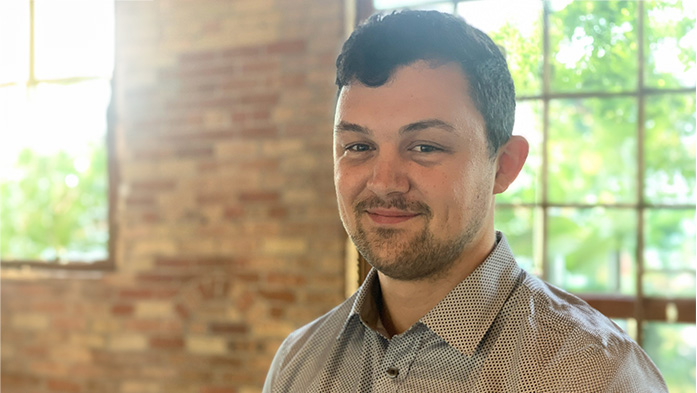
Francis Grover, PhD

Francis Grover, PhD

Postdoctoral Fellow

francis.grover( at )northwestern.edu

PhD Experimental Psychology, University of Cincinnati
MA Experimental Psychology, University of Cincinnati
BA Psychology, University of Connecticut
Grover's Biography

Francis Grover, PhD, is a postdoctoral fellow working with Keith Gordon, PhD, in the Human Agility Lab. His graduate work used an interdisciplinary approach to study human perceptual-motor behavior, primarily from the perspectives of neuromechanics and complex dynamical systems.

He spent two years as a postdoctoral fellow at Shirley Ryan AbilityLab studying the neurophysiology and neural mechanisms of spinal cord injury and neurorehabilitation. At Northwestern, his goal is to combine these two aspects of his background to study behavioral techniques for rehabilitation following spinal cord injury, particularly in the control of balance and walking.

Jack Manning, PhD

Jack Manning, PhD

Postdoctoral Fellow

john.manning( at )northwestern.edu

PhD Kinesiology, Texas A&M University
MS Kinesiology, Northern Illinois University
BS Kinesiology, Northern Illinois University

Manning's Biography

Jack Manning, PhD, is a postdoctoral fellow in the Department of Physical Therapy and Human Movement Sciences, working with Keith Gordon, PhD, and Matty Major, PhD, and supported by the Pathophysiology and Rehabilitation of Neural Dysfunction T32.

He recently earned his doctorate from Texas A&M University, where he researched the neural correlates of dual-task walking in an aging population and the conceptualization of physical resilience in gerontological literature. His research background also includes postural control and how noninvasive brain stimulation might be used to improve or impair it.

At Northwestern, Manning aims to advance understanding of how neurological disorders and post-viral conditions affect locomotor and postural control, as well as sensorimotor integration.

Research Staff

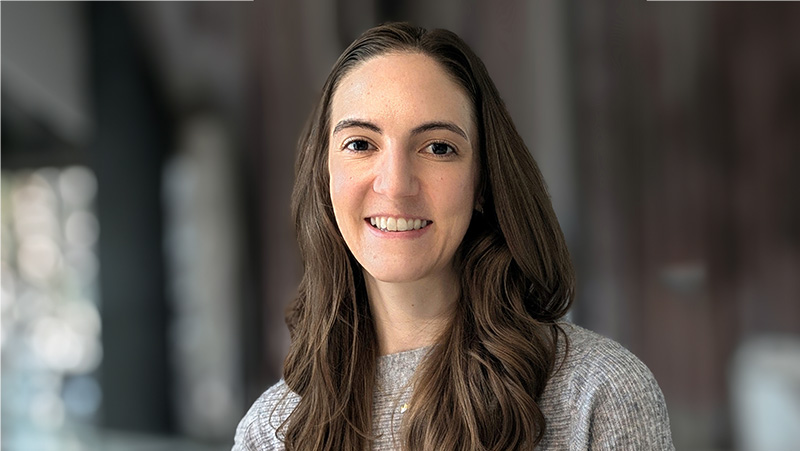
Jane Gyarmaty, PT, DPT, NCS

Jane Gyarmaty, PT, DPT, NCS

Clinical Research Associate

jane.gyarmaty( at )northwestern.edu

DPT, Northwestern University
BS Kinesiology, University of Illinois — Urbana-Champaign
Gyarmaty's Biography

Jane Gyarmaty, DPT, earned her Doctor of Physical Therapy degree from Northwestern University in 2014. After graduation, she worked as a full-time clinician in acute and inpatient rehabilitation settings, focusing on treating individuals who experienced stroke.

In 2022, she earned board certification in neurologic physical therapy and began her career as a clinical research associate at Northwestern University’s Department of Physical Therapy and Human Movement Sciences. Her research focuses on upper extremity recovery after stroke, as well as balance and gait recovery following stroke and spinal cord injury.

Anna Shafer, MS

Anna Shafer, MS

Research Engineer

anna.shafer( at )northwestern.edu

MS Mechanical Engineering, UT Austin
BS Computer Engineering, Harding University

Shafer's Biography

Anna Shafer brings a decade of experience in software and robotics, with a research background focused on biomimetic design and motor control. As the lab’s resident engineer, she oversees the operation of robotic systems during clinical trials and data collection while developing new tools and solutions to advance research goals.

Her work reflects a strong commitment to creating technologies that meaningfully enhance human lives.

Graduate Students

Ashley Maloney

Ashley Maloney

Biomedical Engineering Graduate Student

ashleymaloney2025( at )u.northwestern.edu

BS Chemical Engineering, Michigan State University

Maloney's Biography
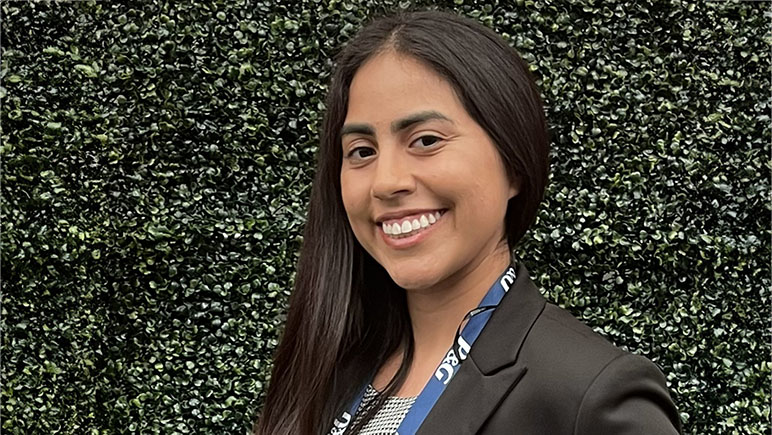
Ashley Maloney is a graduate student in Northwestern University’s master’s program in biomedical engineering and a recipient of the National Science Foundation Graduate Research Fellowship. She earned a bachelor’s degree in chemical engineering with a concentration in biomedical engineering from Michigan State University.

At Northwestern, Maloney conducts research in the Human Agility Laboratory, studying gait rehabilitation and locomotor adaptation in individuals with chronic stroke. Her current project examines the effects of balance-challenging environments using a novel cable-driven robotic device designed to improve walking balance and mobility.

Through her research, Maloney aims to advance understanding of human biomechanics and contribute to developing innovative rehabilitation tools that enhance functional recovery and quality of life for individuals with neurological impairments.

Rubi Tapia

Rubi Tapia

DPT/PhD BME Graduate Student

rubitapia2032( at )u.northwestern.edu

BS Biomedical Engineering, UC Irvine

Tapia's Biography

Rubi Tapia is a graduate student in Northwestern University’s dual Doctor of Physical Therapy/PhD program. She earned a bachelor’s degree in biomedical engineering from the University of California, Irvine.

As an undergraduate, she conducted research in Monica Daley’s Neuromechanics Lab, investigating the force-frequency dynamics of the reinnervated lateral gastrocnemius muscle in guinea fowl. She also contributed to research in David Reinkensmeyer’s Biorobotics Lab, exploring the use of brain-computer interface and functional electrical stimulation (BCI-FES) systems to enhance ankle dorsiflexion recovery in stroke survivors.

Beyond research, Tapia served as co-director of outreach for the Society of Hispanic Professional Engineers, managing a free weekly program that introduced high school students to science and engineering through hands-on learning experiences.

Emily White-Vannavan

Emily White-Vannavan

PhD Student

emilywhite2030( at )u.northwestern.edu

DPT, George Washington University
BS Mechanical Engineering, Universty of Notre Dame

White-Vannavan's Biography

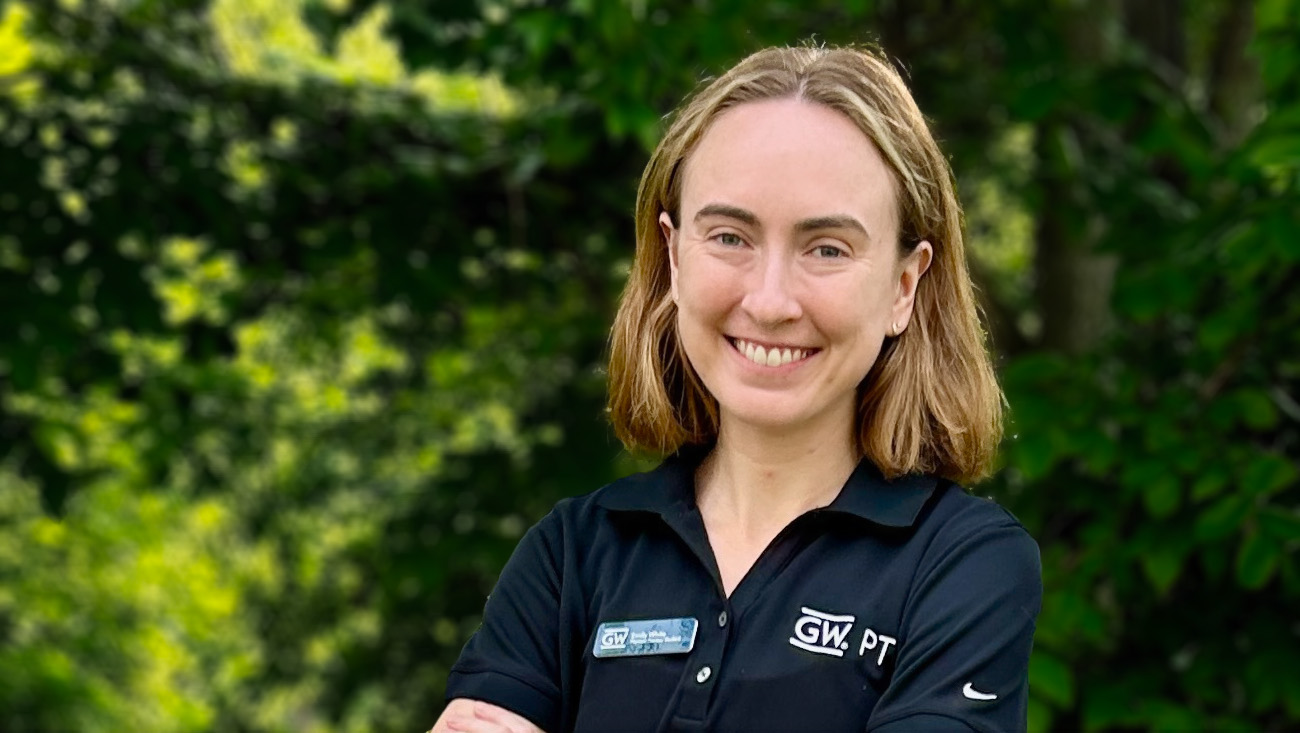
Emily White-Vannavan, DPT, is a doctoral student in Northwestern's Biomedical Engineering program. She recently earned her Doctor of Physical Therapy (DPT) from George Washington University and has a BS in mechanical engineering from the University of Notre Dame.

Her research at George Washington University focused on investigating age-related differences in neuromuscular control during cognitive-motor dual-tasking. In parallel with the PhD program, she also practices physical therapy as a registry clinician at Shirley Ryan AbilityLab.

At Northwestern, White-Vannavan hopes to contribute to research focusing on the intersection between musculoskeletal injury risk and motor control to advance physical therapy outcomes. 

Undergraduate Students

Emily Shanafelt

Emily Shanafelt

Undergraduate Research Assistant

emilyshanafelt2027( at )u.northwestern.edu

Shanafelt's Biography

Emily Shanafelt is an undergraduate student at Northwestern University studying biomedical engineering. She previously conducted cell culture research on gene therapy targeting in uveal melanoma cells.

While she enjoyed the wet lab environment, she also values working directly with participants at the Human Agility Lab. Emily began working in the lab as an Undergraduate Research Award recipient and is now part of a team studying the accuracy of step-counter devices in people with incomplete spinal cord injury. She looks forward to gaining more knowledge and experience in this role.

Lab Alumni